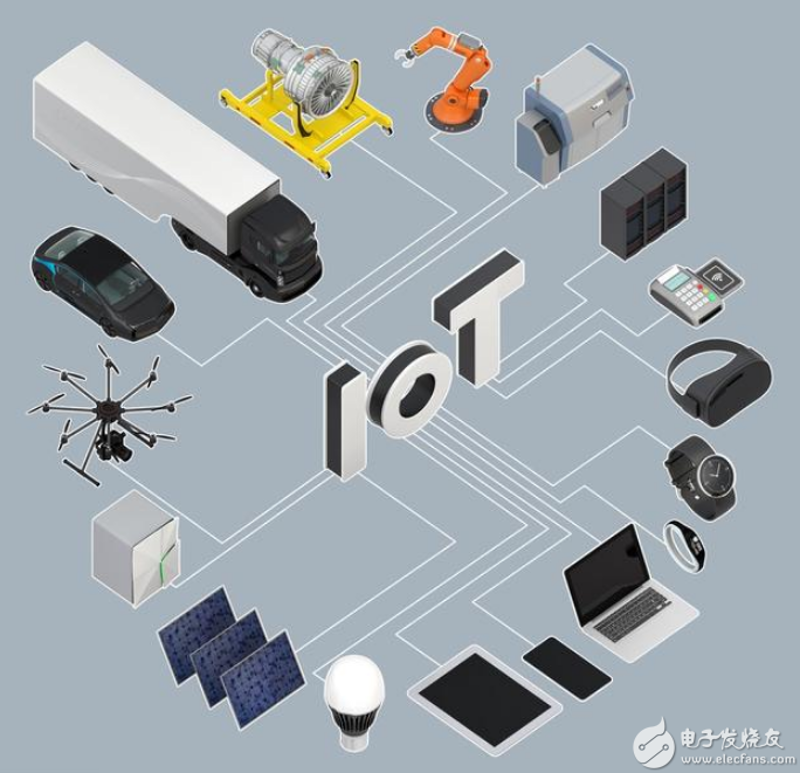
Are you looking to implement a solution for smart devices but unsure where to start? This guide will walk you through the process of creating an effective and efficient solution, highlighting key steps in English.
1. Define Your Objective
Before diving into any project, it's crucial to define what exactly you want to achieve. Whether it’s improving user experience or enhancing security features, clearly stating your goal is the first step.
2. Identify Key Components
Determine which components are essential for your solution. This could include hardware like sensors and microcontrollers, as well as software such as operating systems and applications.
3. Select Appropriate Technologies
Choose the right technologies to meet your objectives. Consider factors like compatibility, cost, and future scalability when making these decisions.
4. Develop a Prototype
Create a prototype to test your solution in real-world conditions. This helps identify any potential issues early on, saving time and resources later in the development process.
5. Test Thoroughly
Thorough testing is vital for ensuring that your smart device functions correctly under various scenarios. This includes both functional tests and stress tests to simulate different user interactions.
6. Optimize and Refine
Based on feedback from testing, refine your solution to improve performance, reliability, and user satisfaction.
7. Document Everything
Keep detailed documentation of all aspects of the development process. This not only helps in future maintenance but also serves as a valuable reference for scaling or adapting the solution to other projects.
This step-by-step approach ensures that your smart device solution is both robust and user-friendly, setting you up for success in the competitive IoT market.