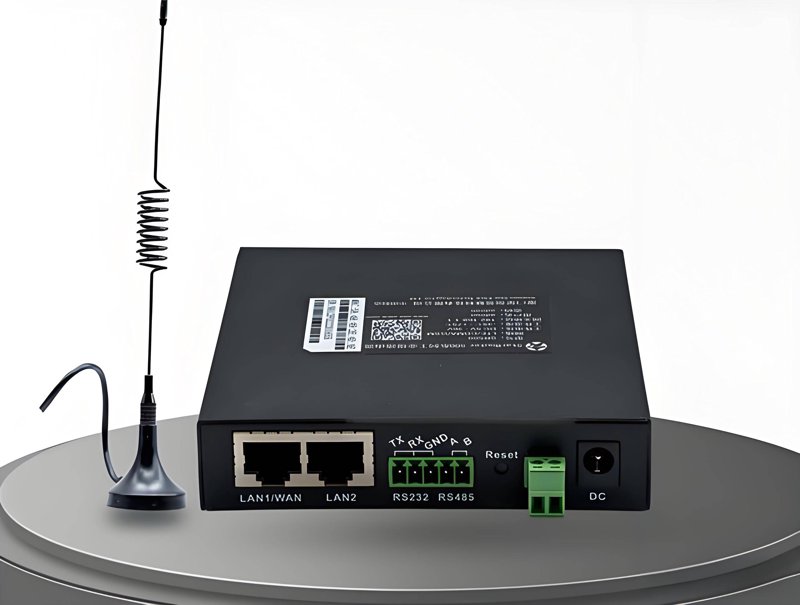
Are you considering implementing an English-based solution within your smart device development? This article will guide you through understanding, planning, and executing such a strategy effectively.
In this tutorial, we'll explore the key steps involved in developing an English solution for your IoT devices, ensuring they are accessible to a global audience. Let's dive into how you can make your devices more user-friendly and engaging with English content.
Step 1: Understanding Your Audience
The first step is understanding who will be using your device. Are they tech-savvy professionals or everyday users? Knowing this helps tailor the language used in instructions, interfaces, and help documents.
Step 2: Designing User-friendly Interfaces
Create an interface that is intuitive for English speakers while still being accessible to non-native users. This involves using clear, concise language and avoiding overly complex terms or jargon.
Step 3: Translating Content Accurately
Hire professional translators to ensure your device's content is accurate and culturally appropriate. Poor translations can lead to misunderstandings or even safety issues in certain contexts.
Step 4: Testing the Solution
Test your English solution with a diverse group of users from different linguistic backgrounds. Gather feedback on usability, comprehension, and any areas that need improvement.
Conclusion:
Implementing an English-based solution for your IoT devices requires careful planning and execution to ensure it meets the needs of your global user base. By following these steps, you can create a more inclusive and effective product.